
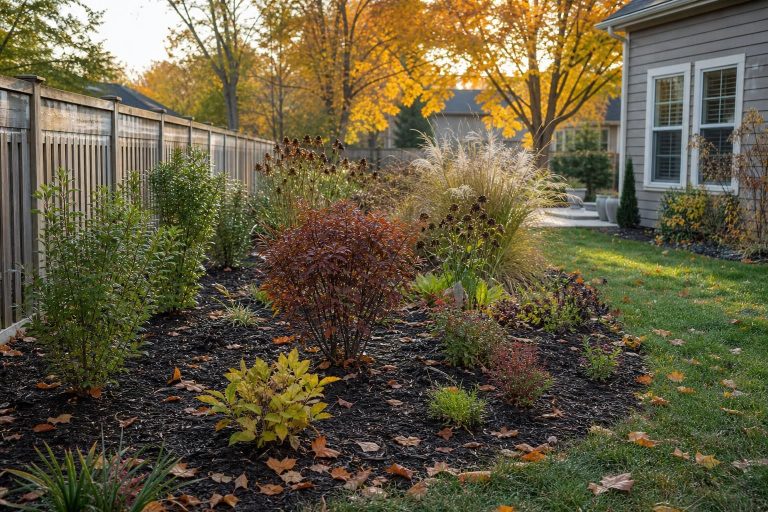
October is the moment to set up a backyard that still feeds birds when the ground is cold and insects are scarce. If you want to help robins, finches, redwings, and blackbirds, plant three things now: berry-bearing shrubs for winter fruit, seed-rich perennials and grasses to leave standing, and dense evergreens or thickets for shelter from wind and predators.
For many US gardens, the simplest October planting plan is this: put berry shrubs along a fence or property edge, add a drift of seed-head flowers in a sunny bed, and tuck an evergreen or two where birds can duck in fast. In colder northern states, aim to plant about 4 to 6 weeks before the ground freezes solid. In milder southern areas, October can be the start of a longer fall planting window, and soil often stays workable well beyond Halloween.
Berry-bearing plants for robins and other winter fruit eaters
Robins are strongly drawn to fruit in cold weather, especially after soft ground food becomes harder to find. October is a good month to plant shrubs that hold berries into fall or winter, as long as you can still dig the soil and keep new plants watered until the ground cools deeply.
- Hollies offer both berries and dense shelter. Plant them where they can reach mature width without crowding a walkway or window. A spacing of 5 to 8 feet [1.5 to 2.4 m] between shrubs works for many home landscapes, but always check the plant tag before digging.
- Viburnums can provide clusters of fruit for birds and good branching structure for cover. Use them as a loose hedge or at the back of a border.
- Winterberry-type shrubs are useful where you want bright fruit on bare branches in the colder months. They work well in spots that stay evenly moist.
- Dogwoods can support birds with fruit and twiggy cover. They fit nicely at the edge of a yard, rain garden, or wildlife border.
When planting berry shrubs in October, dig the hole about twice as wide as the root ball and no deeper than the root ball itself. Set the top of the root ball level with the surrounding soil. Backfill with the same soil you removed rather than creating a soft pocket that drains differently from the rest of the bed. Water slowly right after planting until the root area is fully moistened, then add 2 to 3 inches [5 to 7.5 cm] of mulch, keeping it about 2 inches [5 cm] away from the stems.
A common mistake here is choosing a shrub only for its berries without checking whether it is invasive in your area. Another is planting too close to the house because the young plant looks small in the pot. October is the right time to think ahead about mature height and width, because winter crowding can make pruning temptingly harsh just when birds need cover most.
Seed heads for finches, blackbirds, and cold-season foraging
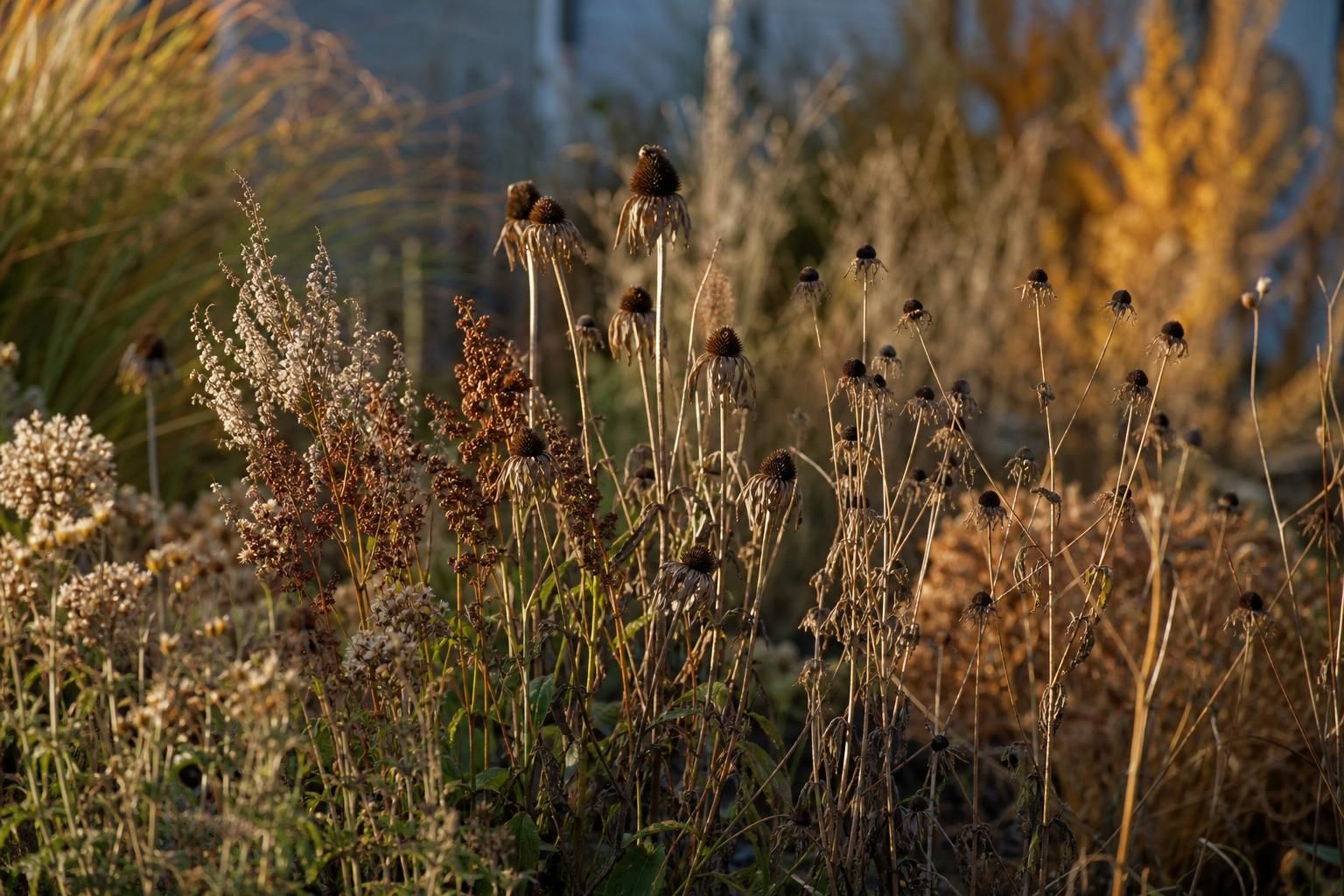
Finches readily use standing seed heads through fall and winter, and blackbirds and redwings may also forage in seed-bearing plants and grasses depending on what remains available in your yard. If you cut everything down in fall, you remove a major food source that costs nothing to maintain.
Good October additions include seed-rich perennials and ornamental grasses. Look for plants with sturdy heads that persist after frost instead of collapsing at the first hard weather.
- Coneflowers leave seed heads that finches can work on through cold spells.
- Black-eyed Susan-type flowers add late-season structure and seed.
- Sunflowers can be especially useful where you have room for taller annuals or a back border.
- Native grasses provide both seeds and cover, especially when planted in clumps rather than a single isolated tuft.
- Asters and similar late-season bloomers help in the shoulder season and then contribute standing stems and shelter after flowering.
The key wildlife habit is simple: leave the seed heads standing. Do not deadhead every spent flower, and do not shear ornamental grasses to the ground in October. Wait until late winter or very early spring to cut back, when the harshest weather is easing and birds have already had months to use the dry stems, seeds, and cover.
If you are planting a new seed bed this month, place it in full sun if possible and loosen the top 8 to 10 inches [20 to 25 cm] of soil. Remove weeds, break up large clods, and mix in 1 to 2 inches [2.5 to 5 cm] of compost if your soil is hard, crusty, or drains poorly. Water after planting so the root zone is damp, then check moisture every few days for the first 2 weeks. In cool fall weather, most new perennials do better with deep watering once or twice a week than with a daily sprinkle.
Dense cover that helps birds conserve energy
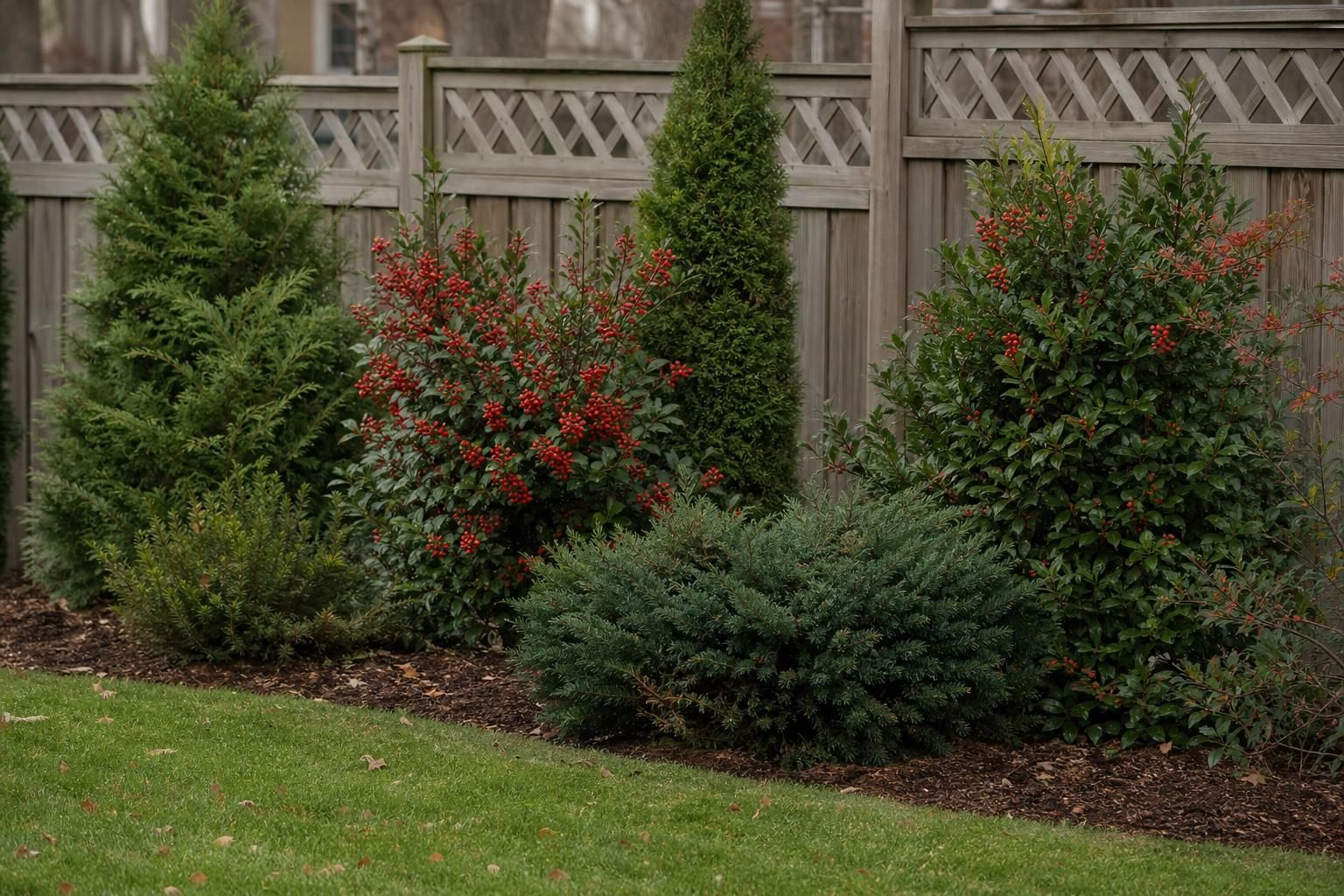
Winter food matters, but shelter matters too. Birds burn less energy when they can roost out of wind, freezing rain, and sudden exposure. Dense evergreens and thick branching shrubs are especially useful because they give quick cover all day, not just at night.
- Evergreen shrubs can create low, wind-blocking shelter along patios, fences, and side yards.
- Conifers help in larger spaces where you can allow full mature size.
- Mixed hedges that combine evergreen structure with deciduous berry shrubs can serve as both pantry and refuge.
Place shelter plantings where birds can move between food and cover in one short flight. A practical layout is to keep seed-bearing beds within about 10 to 15 feet [3 to 4.5 m] of dense shrubs or evergreen branches. That distance is easy to eyeball from a back door or patio and gives birds a nearby retreat when they are startled.
Avoid turning shelter plants into tight decorative shapes with repeated fall clipping. The outer shell may look neat, but heavy shearing often removes fruiting wood, reduces natural density in the center, and takes away exactly the tangled branching birds use best.
Where to plant in a typical backyard
You do not need a large property to make October planting useful for winter birds. What matters is layering. Try to create three zones: taller cover at the back, berry shrubs in the middle, and seed-bearing perennials or grasses in front where you can easily leave them standing.
- Along a fence: a good place for hollies, viburnums, dogwoods, or mixed hedges.
- At a property edge: useful for looser plantings that can grow to full width without constant trimming.
- Near a patio or kitchen window: best for a small seed-head bed, so you can watch finches and other visitors in winter.
- Beside a downspout outlet or lower spot: often a better fit for shrubs that tolerate steadier moisture.
Keep a clear path for maintenance and snow shoveling. Leave at least 3 feet [0.9 m] between a walkway and the mature edge of a bed if you can. That one planning step helps prevent winter trampling and forced pruning later.
How to prepare soil in fall and get plants through their first cold months
Fall soil preparation does not need to be elaborate, but it should be tidy and deliberate. Start by watering dry ground the day before planting if the soil is powdery. It is easier to dig, and roots make better contact with evenly moist soil than with dusty clumps.
Then follow this order:
- Set plants in their pots on the soil first and check spacing from several angles.
- Dig each hole only as deep as the root ball.
- Roughen slick sides if your soil is clay-heavy and the hole wall turns smooth.
- Backfill firmly enough to remove big air gaps but do not stamp hard with your heel.
- Water deeply after planting.
- Mulch the surface 2 to 3 inches [5 to 7.5 cm] deep, keeping mulch off trunks and stems.
In northern areas, stop planting once the ground is consistently frozen or when you cannot dig without forcing the shovel. In milder parts of the South and some coastal climates, the planting window can continue as long as the soil stays workable and plants can root in before extreme heat returns.
One more October mistake is overtidying. Leave fallen leaves under shrubs in a light layer instead of bagging every one. If the layer gets thick and matted on lawn, rake it off the grass, but under hedges and beds it can help protect soil and support the small life that keeps a garden active in winter.
If you want a backyard that supports robins, finches, redwings, and blackbirds this winter, plant with a simple checklist: fruit, seeds, shelter, and room to grow. Put berry shrubs in the ground while the soil is still workable, add seed-bearing flowers and grasses you can leave standing, and protect those plantings with mulch and steady fall watering. By the time cold weather settles in, your garden can already be offering food and cover right outside the door.